
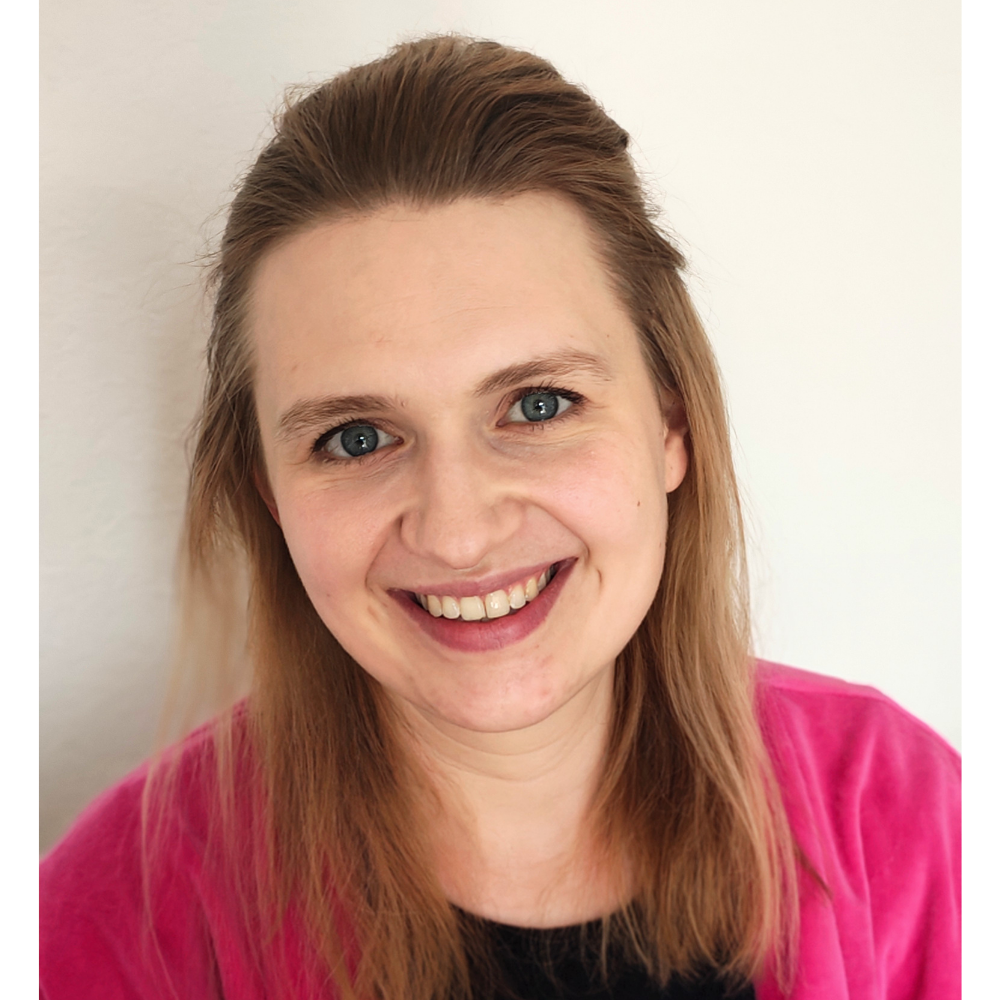
Natalia Pomian is a project manager in Queership. She holds a master’s degree in ethnology and cultural anthropology from the University of Warsaw. In her academic career she worked on the topics of Catholicism and reproduction. She eventually stepped away from academic research and moved into grant administration. Natalia brings together practical knowledge of how research works with a natural instinct for organisation and a genuine enjoyment of untangling administrative puzzles. In her free time she listens to podcasts about contemporary world affairs and reads non-fiction but she won’t say no to a guilty-pleasure reality show.
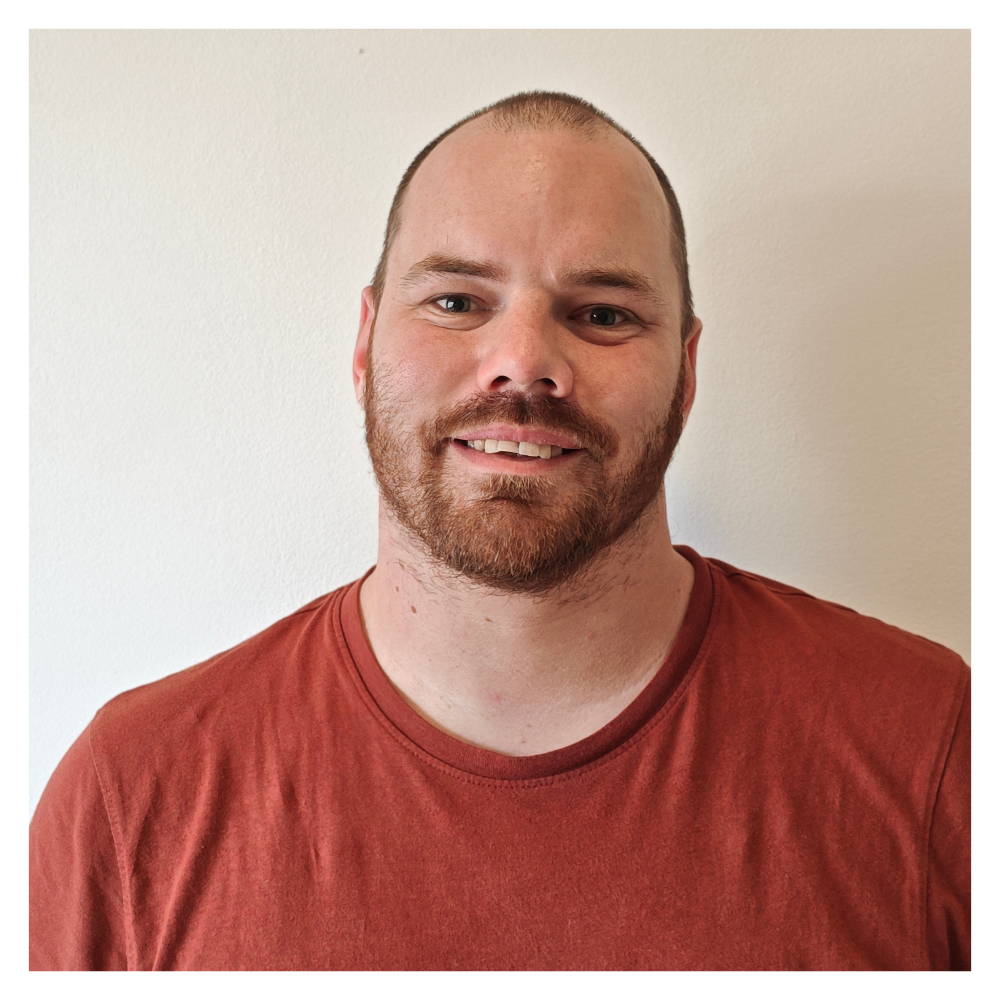
Balázs Attila Szabó is a geographer, human geography, and sociology researcher at the Faculty of Sociology of the University of Warsaw. He is responsible for the Hungarian component of the QUEERSHIP project. He completed his studies at the Department of Geography of the University of Pécs. His PhD research focused on the tourism and migration patterns of LGBTIQ* people in Hungary. He is one of the few researchers in Hungary who examine the LGBTIQ* community from a geographical perspective. In his article published in the Journal of Homosexuality, the author researched the travel motivations of gay and lesbian individuals, concluding that they prioritize an accepting culture over targeted LGBTIQ* services, while their habits remain heavily influenced by gender, self-acceptance.
He participated in the South Transdanubian tourism guest survey as part of an EU funded international research project titled “Sustainable, Intelligent, and Inclusive Regional and Urban Models.” Additionally, he has contributed as a field researcher to numerous ethnographic and human geography studies organized by the Hungarian State in rural regions of Hungary. For a short period alongside his research career, he also worked as an international tour operator and tour guide for coach tours across Europe.
In his free time, he enjoys cycling and hiking in the mountains. He is interested in how the world and the tourism works and loves spending time in nature.
Currently he is an Assistant Professor and Researcher within the QUEERSHIP project at the Faculty of Sociology, University of Warsaw.
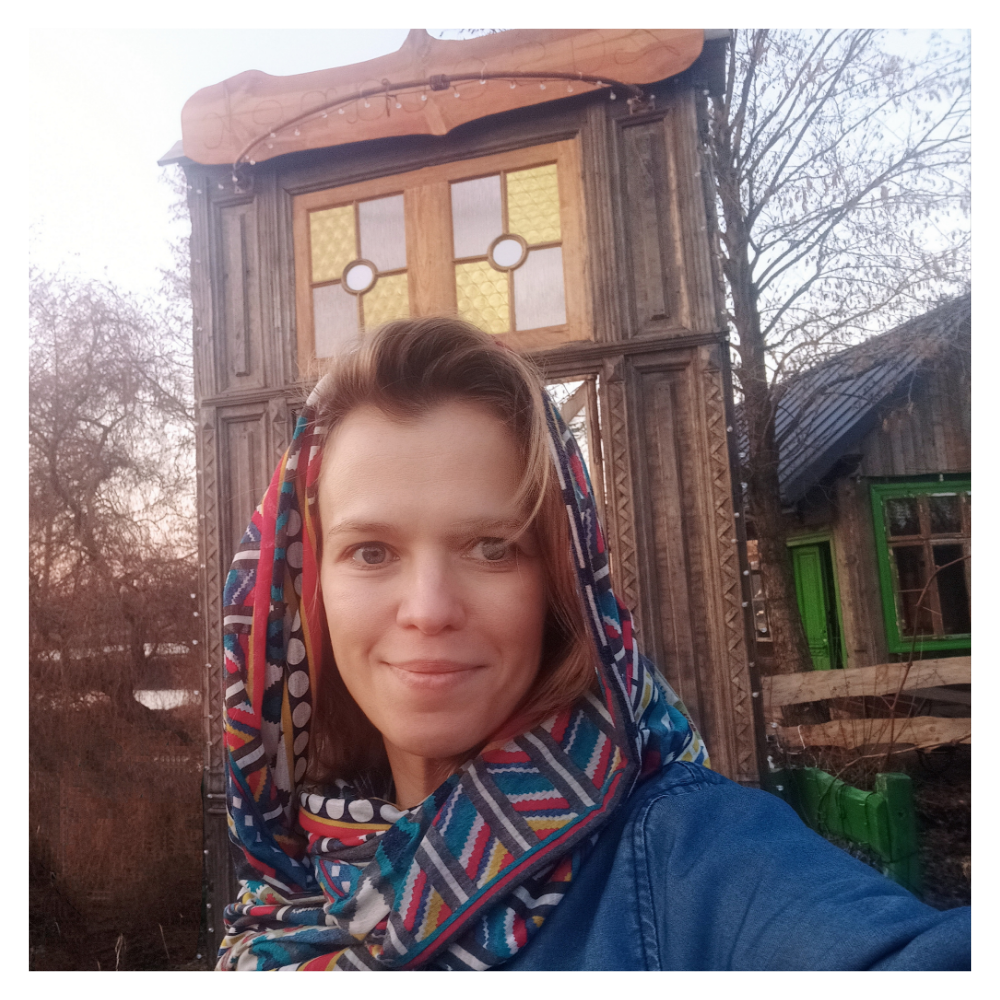
Agata Stasińska, PhD – sociologist, psychologist and postdoctoral researcher at the Faculty of Sociology, University of Warsaw. For years she has been researching queer kinship, intimacy and the everyday lives of LGBTIQ* families in Poland, previously as a researcher in the projects “Families of Choice in Poland”, “Doing Right(s)” and “Imagining Queer Aging Futures”. She is the author of the book “Socjologia pary. Praktyki intymne w związkach nieheteroseksualnych” (Nomos, 2018) and of articles published in journals such as Sexualities, Gender, Place & Culture, European Journal of Women’s Studies and Studia Socjologiczne. In QUEERSHIP she is the postdoc responsible for the Polish case study. More about her work: uw.academia.edu/AgataStasinska
Outside academia, she enjoys movement and outdoor activities, playing the handpan, and sharing everyday life with both human and animal companions. She is also drawn to contemplative practices, poetry, and observing the small details of everyday life. These interests continue to nurture her curiosity about care, connection, embodiment, and what makes life meaningful.
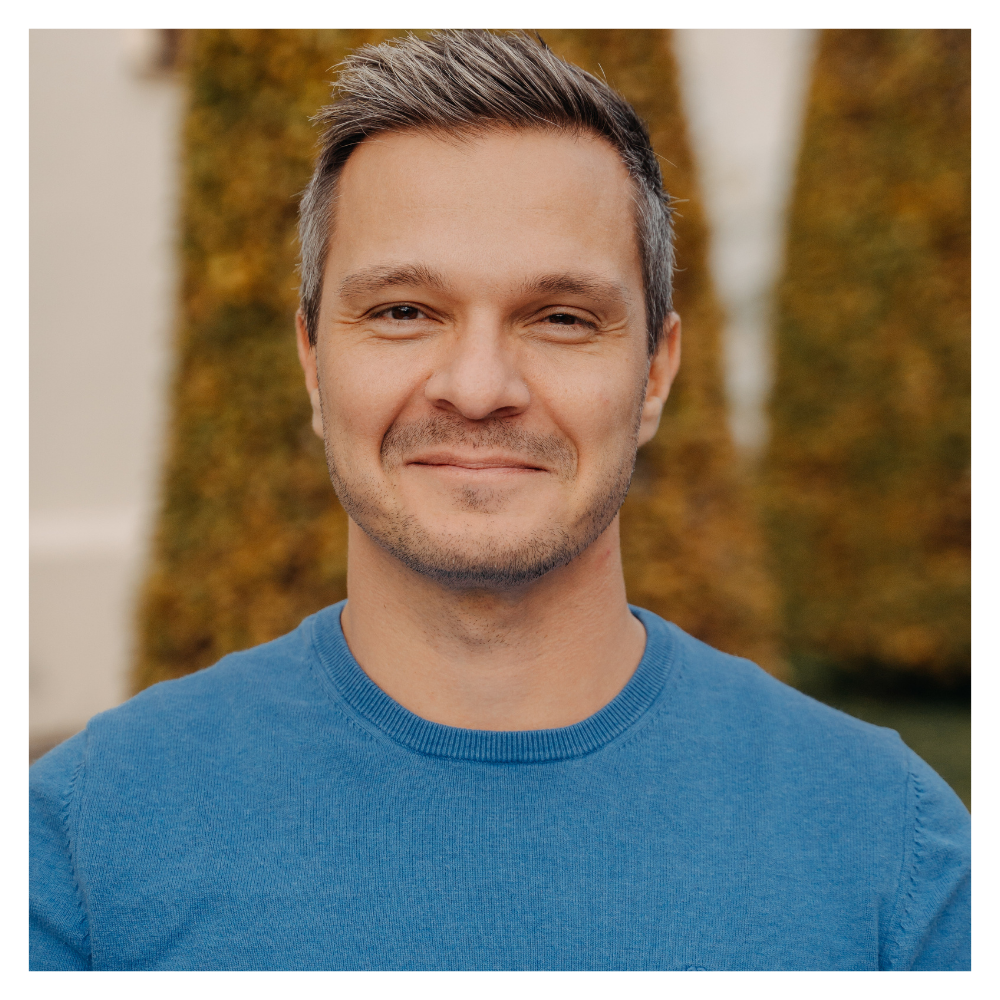
Zdeněk Sloboda specializes in media literacy and media education, gender and LGBTIQ* social movements, same-sex parenting, and other sociological topics (sports, media, families, education). He studied journalism, media, and cultural studies at the Faculty of Social Sciences, Charles University. In 2024, he defended his dissertation titled “Media Socialization: Professional Discourses from Comenius to Digital Czechia” at the Faculty of Arts, Palacký University in Olomouc. He has taught at several Czech universities as well as at the University of Leipzig, Germany. He is a co-author of a study on media literacy among the Czech population (2021, for the Czech Radio and Television Council), and has participated in research projects on populism and rebellion in Central Europe (Faculty of Social Sciences, Charles University, University College London, 2020–2022, EU-H2020), on the parental desires and intentions of gay, lesbian, and bisexual people (Institute of Sociology Czech Academy of Sciences, 2018–2020, GAČR), on the romantic relationships of second-generation Vietnamese men and women (Palacky Uni., 2021–2023), and on the social and legal conditions of life for intersex people (Palacky Uni., 2020–2021). He has published several academic books, journal articles, and educational methodologies. He is a member of the editorial board of the journal “Gender and Research” (published by CAS) and of advisory bodies to the Government of the Czech Republic (the “Government Council for Human Rights” and the “Government Council for Gender Equality”). In his free time , he has been involved in puppet theater (since the age of 16), in sports (occasionally soccer and taekwondo), and likes to watch television (dating, talent and make-over reality shows and sci-fi series).
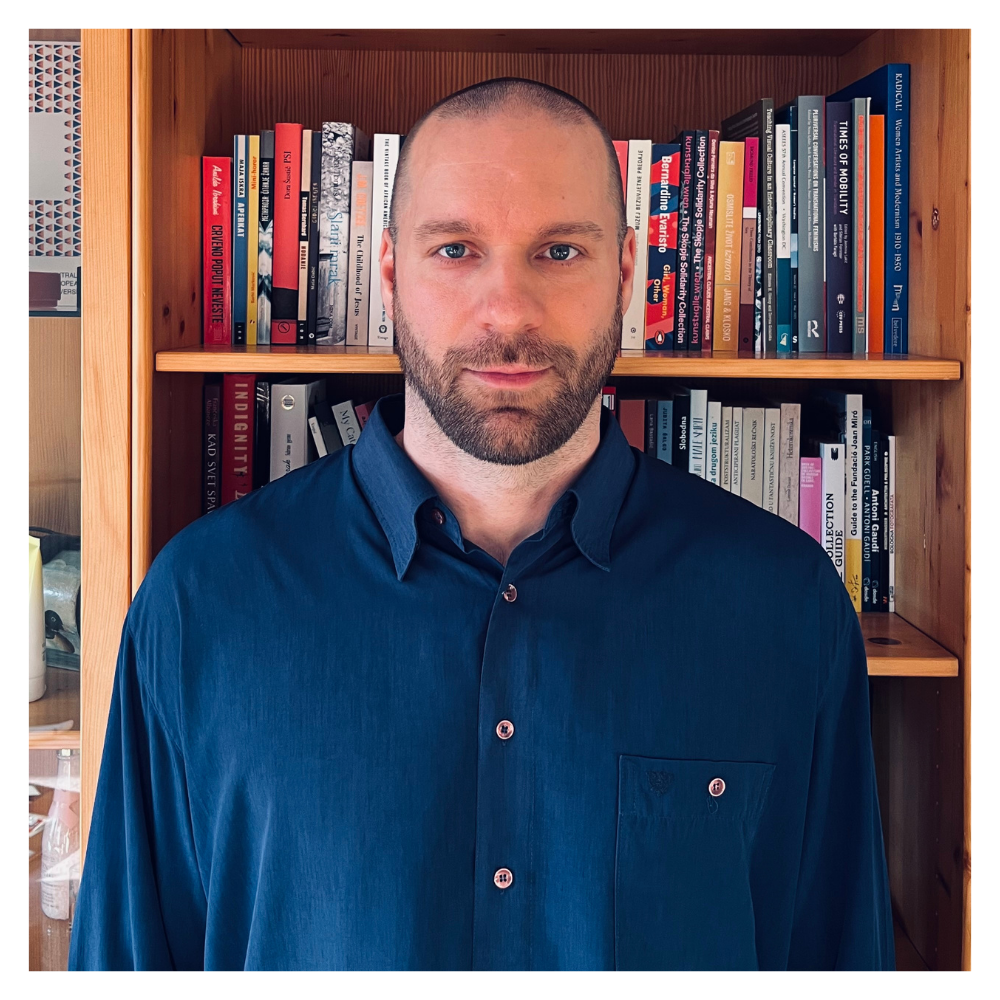
Petar Odak is a researcher working at the intersection of queer theory, affect theory, and psychoanalytically informed cultural analysis, with the focus on Eastern Europe/postsocialist timespace. He holds a joint PhD in Comparative Gender Studies from Central European University (Vienna) and in Humanities from the Institute for Cultural Inquiry at Utrecht University, awarded with distinction. His dissertation, “Feeling Socialism Again: Affective Ambivalences of Socialist Legacies in the Context of the Experience Economy”, examined the affective and atmospheric politics of the residues of socialism and their entanglements with the operations of trauma, nostalgia, and irony.
His first monograph, “Psychoanalysis of Post/Socialist Affect” (Palgrave Macmillan, forthcoming 2026), develops an original framework for analyzing how socialist legacies are psychically re-inscribed across Eastern European cultural space, drawing on psychoanalysis and feminist and queer theory.
Odak’s research has appeared in edited volumes with SAGE and OpenBook Publishers, as well as in “Identities” and “Borderlands”, and he has presented at venues including Princeton University, UCLA, and the University of Hamburg. He has held visiting and teaching positions at Central European University, the University of Graz, Al-Quds Bard College, Free University Berlin, and the New York University.
Within the QUEERSHIP, Odak is responsible for the Croatian leg of the project. His contribution draws on his expertise in affective discourse analysis and queer theory to examine LGBTIQ* families and their lives in Croatia. He is particularly interested in how legal texts, media representations, and online affective publics construct and contest queer kinship across Central and Eastern European public spheres.
He is currently an Assistant Professor–Researcher in the Faculty of Sociology at the University of Warsaw within the QUEERSHIP project.
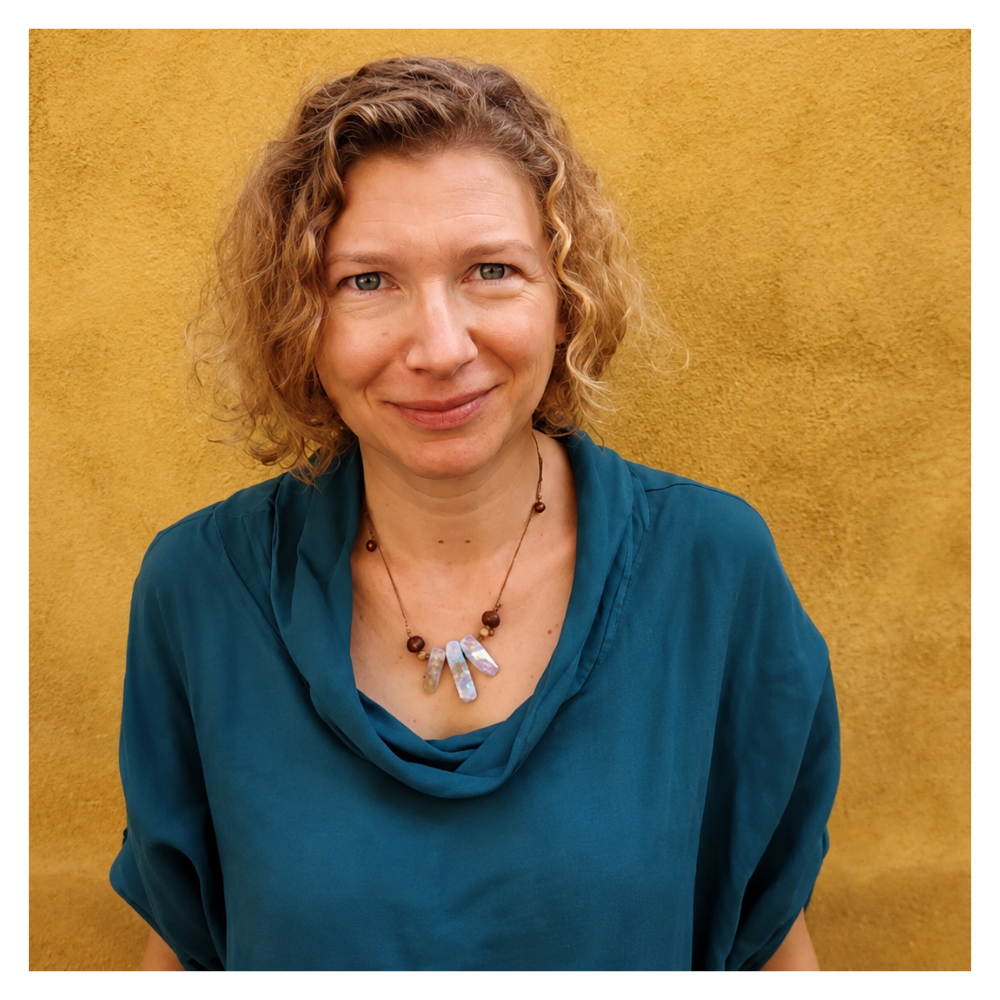
Joanna Mizielińska – holds DSs (habilitation) in sociology, University of Warsaw and a PhD in Women’s Philosophy, Institute of Philosophy and Sociology of Polish Academy of Sciences. She was a Fulbright scholar at Princeton University working under the mentoring of prof. Judith Butler, CIMO researcher at the Christina Institute, University of Helsinki, and visiting scholar at the Centre for Baltic and East European Studies (CBEES) Södertörn University and the Department of Women’s and Gender Studies at Rutgers University. She currently works as an Associate Professor at the Department of Sociology, Warsaw University where she leads her ERC Advanced grant called “Rethinking queer Kinship: LGBTIQ* Families with Children in Central and Eastern Europe”.
Her interests concentrate on queer theory, queer kinship, and sociology of gender, sexuality and families. Her past research centred on the politics of translation of Anglo-American queer theoretical approaches/concepts into other geopolitical contexts and the question of exclusion.
She was a Principal Investigator of the project “Families of Choice in Poland” (2013-2016), which was the first multi-method project on queer families in Poland; and Co-Investigator in “Doing Right(s): Innovative tools for professionals working with LGBT families [dir. by prof. F.de Cordova, University of Verona; 2016-2020] and “Queer(y)ing Kinship in the Baltic Region” [dir. by prof. U. Dahl, Södertörn University, 2016-2021]. Currently, she is a Co-investigator in the research project “Imagining Queer Aging Futures: A Study of Aging Among LGBTQ+ Individuals in Estonia, Poland, and Sweden” [dir. by Prof. Linn Sandberg, Södertörn University, Sweden, 2023-2025]. She is the author of “Different or ordinary? Families of choice in Poland” (2017), “Sex/Body/Sexuality” (2007) and “(De)Constructions of Femininity” (2004) and co-author of “In different voices. Families of Choice in Poland” (2017) and “Families of choice in Poland. Family life of nonheterosexual persons” (2015). She is co-editor of “De-Centring Western Sexualities: Central and Eastern European Perspective” (Ashgate, 2011 and Routledge, 2016; with R.Kulpa) and “Queer(y)ing Kinship in the Baltic Region and Beyond” (Stockholm: Södertörn Academic Studies 2023, open access; with J., Dahl, U., Uibo, R. & A. Sorainen). Her most recent writing focuses on critically analysing discourses on families of choice in Poland and queer kinship plasticity and researching queer kinship beyond Western queer paradigms. Her recent book “Queer Kinship on the Edge? Families of Choice in Poland”, focusing on queer kinship decentring Anglo-American empirical and theoretical framework was published by Routledge in 2022 and is available in open access.
In 2023 she received Stefan Nowak Award for advancing new paradigms in queer and gender studies and interdisciplinary methodologies given by the Department of Sociology, Warsaw University.
ORCID: 0000-0003-0786-1455
Team
Behind QUEERSHIP is a team of researchers with deep, hands-on experience studying LGBTIQ* communities across Central and Eastern Europe. Project brings together an unusually rich combination of methods. Researchers spend extended time with 40 families across four countries, observing daily routines and special occasions, reading personal diaries, and conducting in-depth interviews – including, where appropriate, with children themselves.
Joanna Mizielińska
Principal Investigator
Agata Stasińska
Postdoc Researcher
Natalia Pomian
Project Manager
Petar Odak
Postdoc Researcher
Zdeněk Sloboda
Postdoc Researcher
Balázs Attila Szabó
Postdoc Researcher